
Key Factors to Consider When Upgrading Your Hot Water System
Old or underperforming systems can lead to cold showers, high bills, or safety risks. Many households delay upgrading due to cost or confusion about what type of unit to choose. Without the right information, it’s easy to overspend on a system that doesn’t suit the property.
Upgrading makes sense when usage has changed, repair costs are rising, or compliance rules now restrict certain models. But choosing the right setup depends on more than just brand or price. Sizing, installation limits, and energy use all need to be factored in.
This guide explains how to compare hot water systems based on household needs, local energy options, and installation conditions. It outlines the key differences between electric, gas, solar and heat pump units, with practical tips for selecting the right one in Lake Macquarie.
Look at Daily Hot Water Usage
The best system for your household depends on when, how often, and how much hot water is used each day. A mismatch between system size and usage can lead to running out of hot water or paying more than necessary to heat unused capacity.
Start by counting the number of people in the home and the times of day hot water is used. For example, households with morning showers, evening dishwashing, and laundry loads may need a larger system or faster recovery time. If multiple taps are used at once, a continuous flow unit with a higher flow rate may be more effective than a small tank.
Usage patterns also affect energy efficiency. Short, spaced-out uses may be better supported by instantaneous systems, while regular bulk use suits storage tanks. If hot water often runs out or takes too long to reheat, the current system may be undersized.
Accurate sizing based on usage prevents overspending and improves system performance. A licensed professional in Lake Macquarie can assess usage patterns and recommend systems that match actual demand.

Choose a System That Suits the Home and Energy Setup
System selection depends on what energy source is already available and what the property can support. In Lake Macquarie, the most common hot water systems include electric storage units, gas systems, heat pumps, and solar models.
Electric storage systems are often used in homes without gas or solar. While installation costs are lower, running costs can be high, especially on standard tariffs. Gas systems heat water quickly and work well for properties already connected to mains gas.
Solar systems require roof space and a suitable orientation. They cost more upfront but reduce running costs over time. Heat pumps use outside air to heat water and operate efficiently in warmer climates. They suit homes with adequate outdoor space and good airflow.
If switching from electric to solar or gas, extra work may be needed to run new lines or install roof panels. These changes can add to the upfront cost but may deliver savings long term.
A system must suit both the site and daily usage. Working with a licensed professional in Lake Macquarie helps ensure compatibility with the energy source, roof design, and layout of the home.
Work Out the Costs Beyond Just Installation
Installation is only one part of the total cost. Ongoing running expenses often make a bigger impact over time, especially if the system is used heavily throughout the year. A unit with low upfront costs may end up costing more if it’s inefficient or poorly sized.
Electric storage systems tend to be cheaper to install but have higher long-term running costs. Gas systems sit in the middle, offering reliable performance with moderate energy use. Solar units cost more to buy and install but can significantly lower energy bills when used correctly. Heat pumps also use less power and suit areas with mild temperatures, but may require more space and cost more initially.
It’s also worth checking current NSW government rebate programs. Homeowners switching to approved high-efficiency units like solar or heat pump systems may be eligible for financial incentives. These can reduce the purchase cost or help offset the cost of installation.
When budgeting, consider the system’s expected lifespan, likely repair costs, and annual energy use. A slightly higher initial investment can often pay off in the form of lower bills and fewer maintenance issues later on.
Make Sure the System Fits the Available Space
Before selecting a hot water unit, check where it will be installed. Each system type has different size requirements, noise levels, and ventilation needs. Replacing a similar unit is usually straightforward, but switching to a different type may require changes to the layout or structure.
Outdoor installations are often suitable for gas systems and heat pumps, especially if there is enough clearance for airflow and access. These units also keep any operational noise outside. Solar systems need usable roof space that faces the right direction for maximum sun exposure. If roof access is limited, solar may not be practical.
Indoor installations must consider noise, ventilation, and safe access for future servicing. Some heat pumps and larger tanks can be too loud or bulky for use near living areas or bedrooms. Tight corners or narrow walls can limit placement options and make maintenance harder.
Measure the existing space and confirm clearance zones before selecting a unit. In some cases, extra work may be needed to modify the area or relocate pipework. A proper site check helps avoid installation delays and supports long-term system performance.
Pick the Right Size or Flow Rate
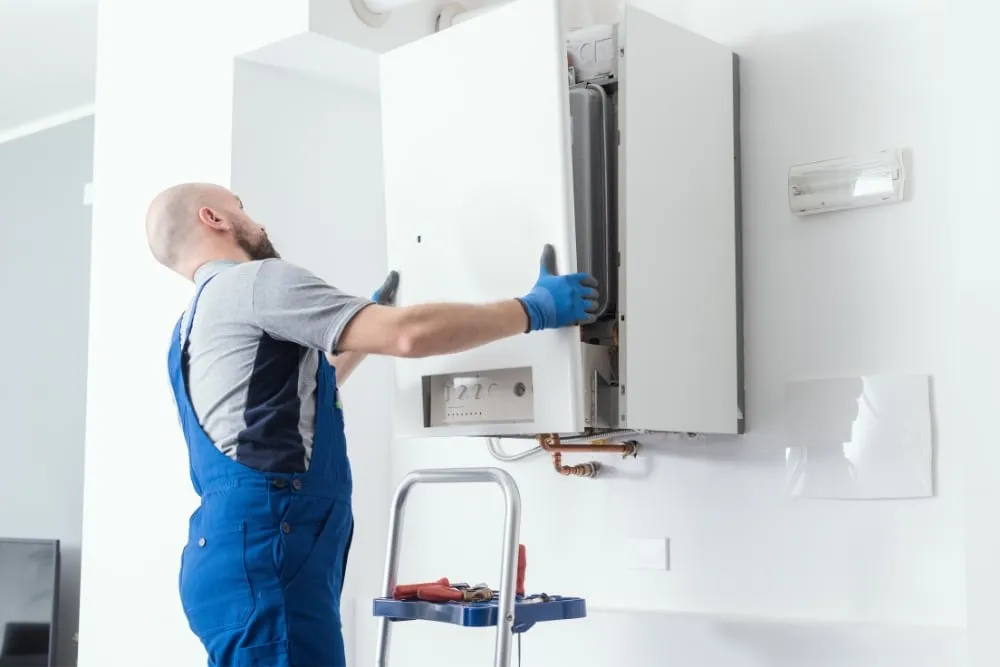
Hot water systems need to match how much water is used and how quickly it’s needed. Storage systems are sized by tank volume, while continuous flow systems are rated by litres per minute (L/min). Both sizing types affect how well the unit performs under normal household conditions.
For storage systems, undersized tanks can run out during peak use. Oversized tanks waste energy by heating more water than needed. As a general guide:
- 1–2 people: 125L–160L
- 3–4 people: around 250L
- 5 or more: 300L+
Instantaneous systems don’t store water. Instead, they heat water on demand. The key factor is flow rate. Larger households or those with multiple bathrooms need a higher flow rate to avoid pressure drops or delays when several taps are used at once.
Accurate sizing also considers appliance use, such as dishwashers or washing machines, and how often they run. Households with frequent use across multiple areas will benefit from a system designed to handle simultaneous demand without delays.
Choosing the right size prevents cold showers and keeps energy bills under control. Installers can assess layout, plumbing, and use patterns to determine what size and type of system will work best.
Check the Energy Rating and Efficiency
Energy efficiency affects both operating costs and environmental impact. Most new hot water systems come with a labelled energy rating, allowing for direct comparison between models. Even small differences in efficiency can lead to noticeable savings across the life of the unit.
Solar and heat pump systems generally offer the highest efficiency, especially in warmer areas like Lake Macquarie. Gas systems tend to perform better than electric storage units when it comes to energy use. However, efficiency also depends on how well the system matches the household’s demand and daily routine.
When reviewing options, ask the installer about expected yearly running costs. Factors such as standby heat loss, recovery rate, and system design influence how much energy is used. Efficient systems heat water faster, reduce wasted energy, and maintain steady pressure without extra power draw.
A system with higher efficiency may cost more to purchase but can reduce ongoing energy bills. This is especially important for larger households or homes with consistent daily usage. Over time, efficiency improvements can offset upfront costs and reduce the likelihood of needing early upgrades.
Don’t Ignore the Warranty and Support
Warranty coverage plays a key role in long-term value. Most hot water systems are built to last 10 to 15 years, but components can fail early without warning. Choosing a unit with solid warranty terms helps reduce risk and avoid unexpected repair costs.
Check how long the warranty lasts and what it includes. Some only cover the tank, while others also include parts and labour. Clear documentation should outline the process for making a claim and the responsibilities of both the homeowner and the installer.
Support after installation matters as much as product quality. Units purchased online or from non-local suppliers may lack service availability when problems occur. Installers offering ongoing maintenance and local support are better placed to respond to issues quickly.
Also confirm that the installer is licensed and provides a compliance certificate after the job. This protects the warranty and confirms the system meets current safety standards.
A well-supported system reduces downtime and extends working life. It also makes it easier to arrange regular checks, flushes, or repairs if anything starts to go wrong before the end of the warranty period.
Make Sure the New System Is Compliant
All new hot water systems must meet current safety standards and council regulations. In some cases, older systems may no longer be approved for replacement, particularly low-efficiency electric units in new builds or major renovations.
Compliance includes correct installation, safe positioning, pressure relief controls, and insulation where required. Your installer must understand local rules and provide the necessary paperwork. This includes a compliance certificate, which confirms that the system was installed to the correct standard.
Failing to meet these requirements can affect insurance, future resale, and even your warranty. Some rebate programs in NSW also require proof that the unit meets all local codes.
Most licensed installers manage this process, including handling notifications to local authorities if needed. However, it’s still worth confirming that all compliance steps are included in the quoted service.
A compliant installation protects both safety and performance. It also prevents issues later when selling or renovating the property. Always check that the installer is accredited and experienced with the type of system being installed.
Plan for Changes in the Next Few Years
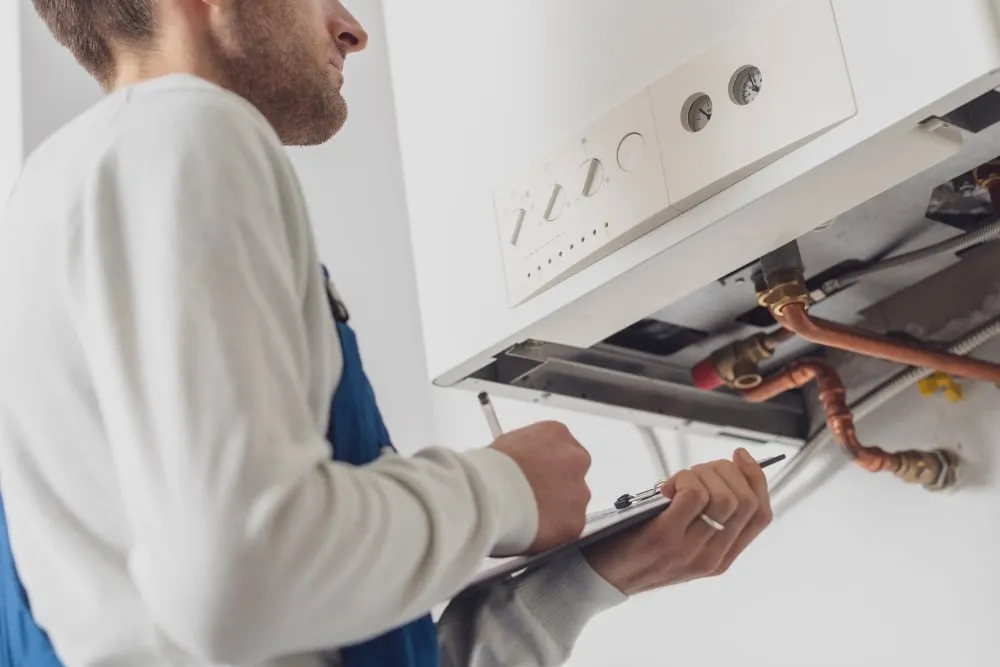
Hot water needs can increase over time. If you’re expecting a change in household size, planning to add a bathroom, build a granny flat, or convert the home for rental use, it’s important to factor future demand into today’s system choice.
Installing a system that barely meets current needs can lead to early upgrades and extra costs. If space allows, consider a system with slightly more capacity or one that can be expanded later. For example, some solar setups allow for additional panels, and certain storage systems can be swapped for larger tanks without major pipework changes.
Discuss planned renovations or expected household changes with the installer. They can suggest units with flexible capacity or infrastructure that supports future adjustments. Even where upgrades aren’t needed now, pre-installing gas lines or electrical circuits can make future transitions easier and cheaper.
Planning ahead avoids being locked into a system that no longer fits. It also reduces the likelihood of running out of hot water or needing another full installation within a few years.
Need Help Selecting the Right Hot Water System?
Choosing a hot water system is easier with local advice. Factors like climate, available space, energy access, and household usage all influence which system will deliver the best results. Getting the wrong setup can lead to higher bills, poor performance, or early replacement.
A licensed installer can assess the property, review usage needs, and recommend systems that meet current standards while fitting the layout of the home. They’ll also manage installation, compliance paperwork, and explain any rebate options available in NSW.
To get expert advice and reliable installation, speak with a licensed professional in Lake Macquarie. They offer system comparisons, site inspections, and full-service support for electric, gas, solar, and heat pump units.
Frequently Asked Questions
How often should hot water systems be serviced?
Most systems should be checked every 5 years. Regular servicing helps identify wear, leaks, or valve issues before they cause damage or inefficiency.
Do continuous flow systems need a power source?
Yes. While they don’t store water, many use electricity to ignite the burner or run sensors and controls, even if the primary energy source is gas.
Can I install a hot water system myself?
No. NSW law requires installation to be done by a licensed plumber or technician. DIY work may void the warranty and result in safety or compliance issues.
What causes low pressure in hot water taps?
Common causes include sediment build-up, faulty tempering valves, or incompatible system sizing. A plumber can run pressure checks to identify the issue.
What happens if the system leaks after installation?
Contact the installer immediately. Most licensed professionals offer a workmanship guarantee and will return to address post-install leaks or faults under warranty.
Contact
Want a hand with yours?
Tell us what system you have and what it is doing, and we will point you in the right direction.